
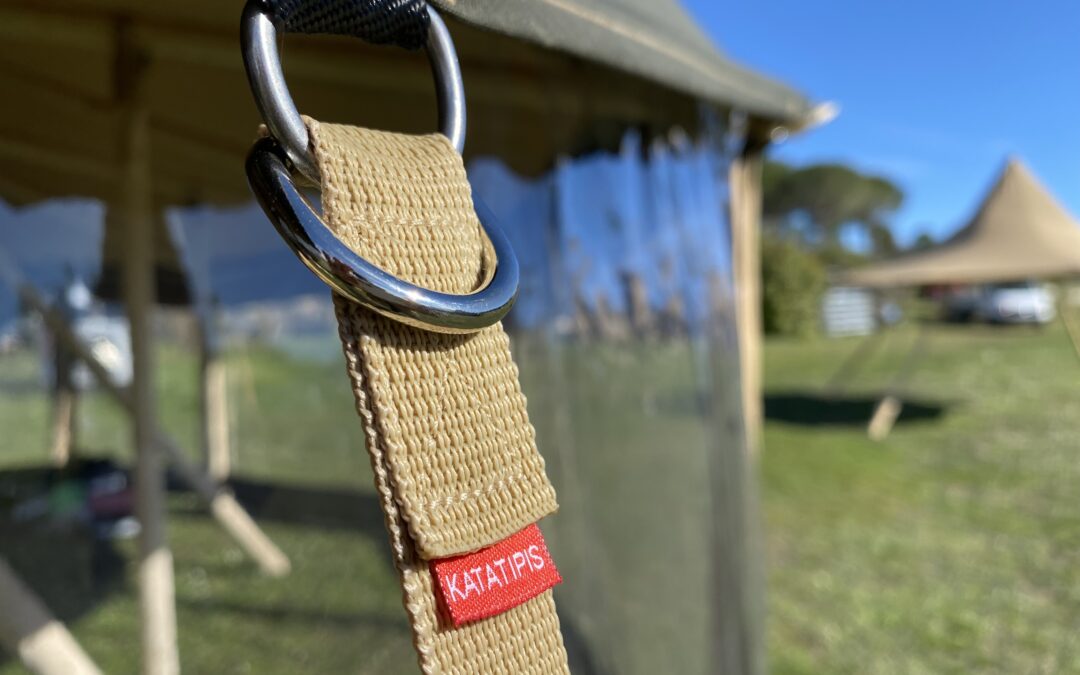
The tipi is making a remarkable comeback in the event world. Far from its traditional use, it’s now an elegant, modular, and welcoming reception tent. Designed to host weddings, private parties, or seminars, this conical structure combines aesthetics and robustness.
But do you know how these XXL tipis, now blossoming in the most beautiful locations, are designed? From wood selection to fabric cutting, and the assembly of poles, each manufacturing step demands rigor and expertise.
In this article, discover the main creation stages of a reception tipi. Learn about the materials used. Find out what differentiates a standard model from a high-end tipi. Furthermore, you’ll get ideas for interior design, decoration, and even choosing the right diameter based on available space.
1. What is a Reception Tipi?
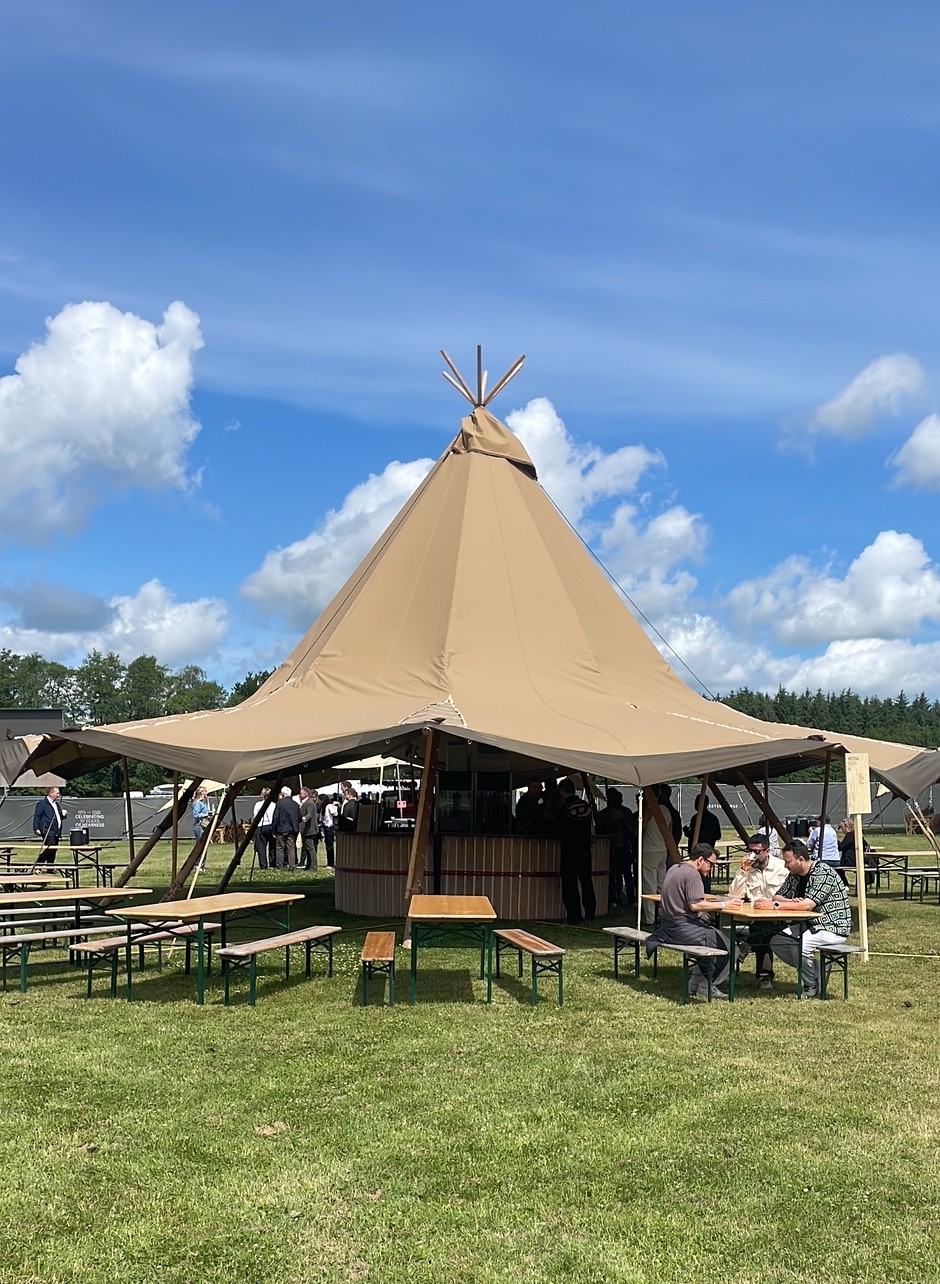
The reception tipi is a large tent inspired by traditional tipis. Unlike classic tents or marquees, it stands out with its conical structure. This structure is made of wooden poles arranged in a circle, forming a solid and aesthetic framework.
These tipis, sometimes also called giant hats or katas, are designed to create a covered space. This space is both warm, practical, and open to the outdoors. Thanks to their generous diameter, they can accommodate between 50 and 150 people. This depends on the furniture and the type of reception.
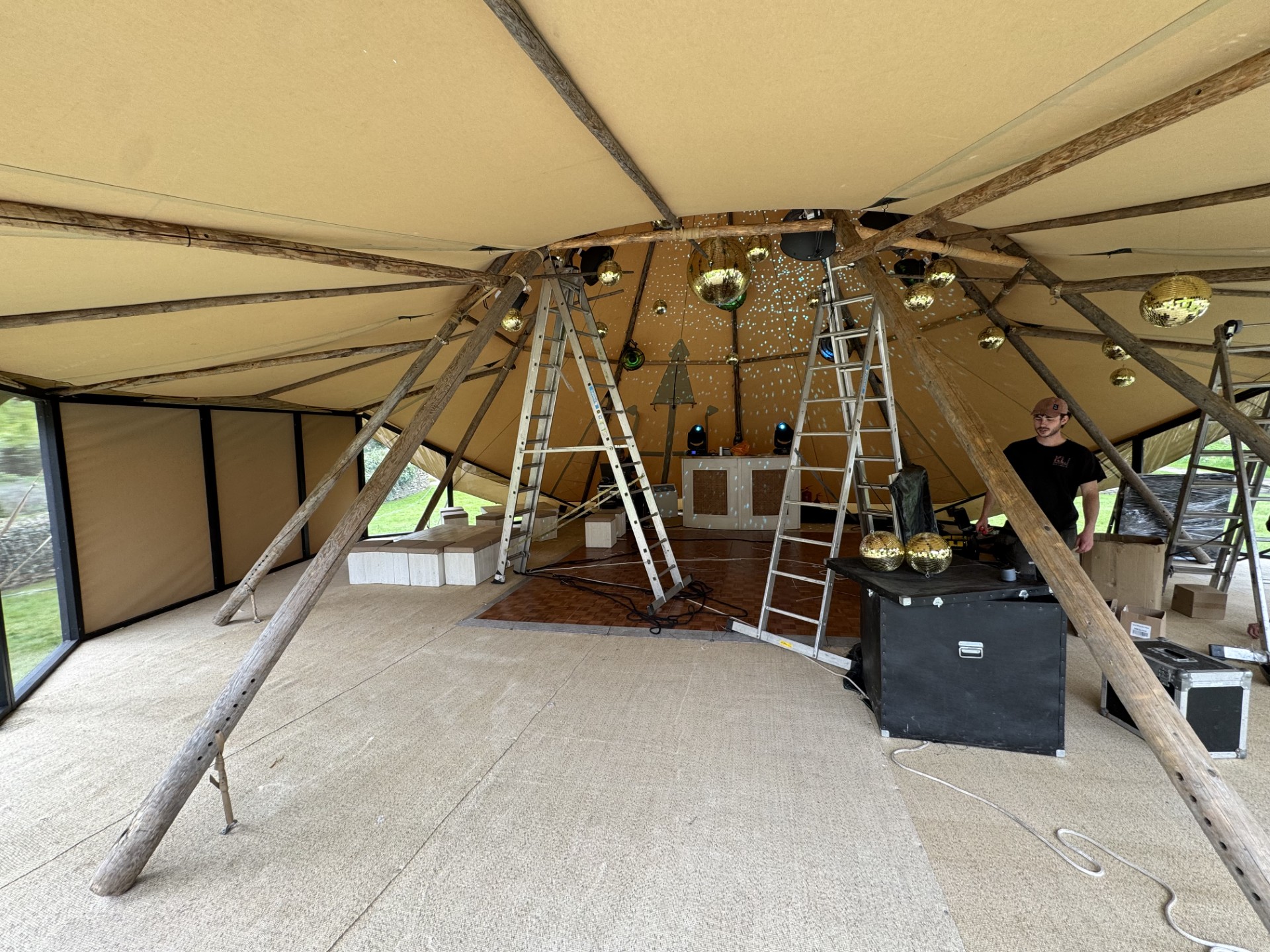
Inside, the floor can remain natural, like grass or earth. Alternatively, it can be covered with flooring or natural mats for more comfort. Their slender shape creates an intimate ambiance. It also provides an impressive ceiling height. This is ideal for lighting effects, hanging decorations, or even a central fire depending on the model.
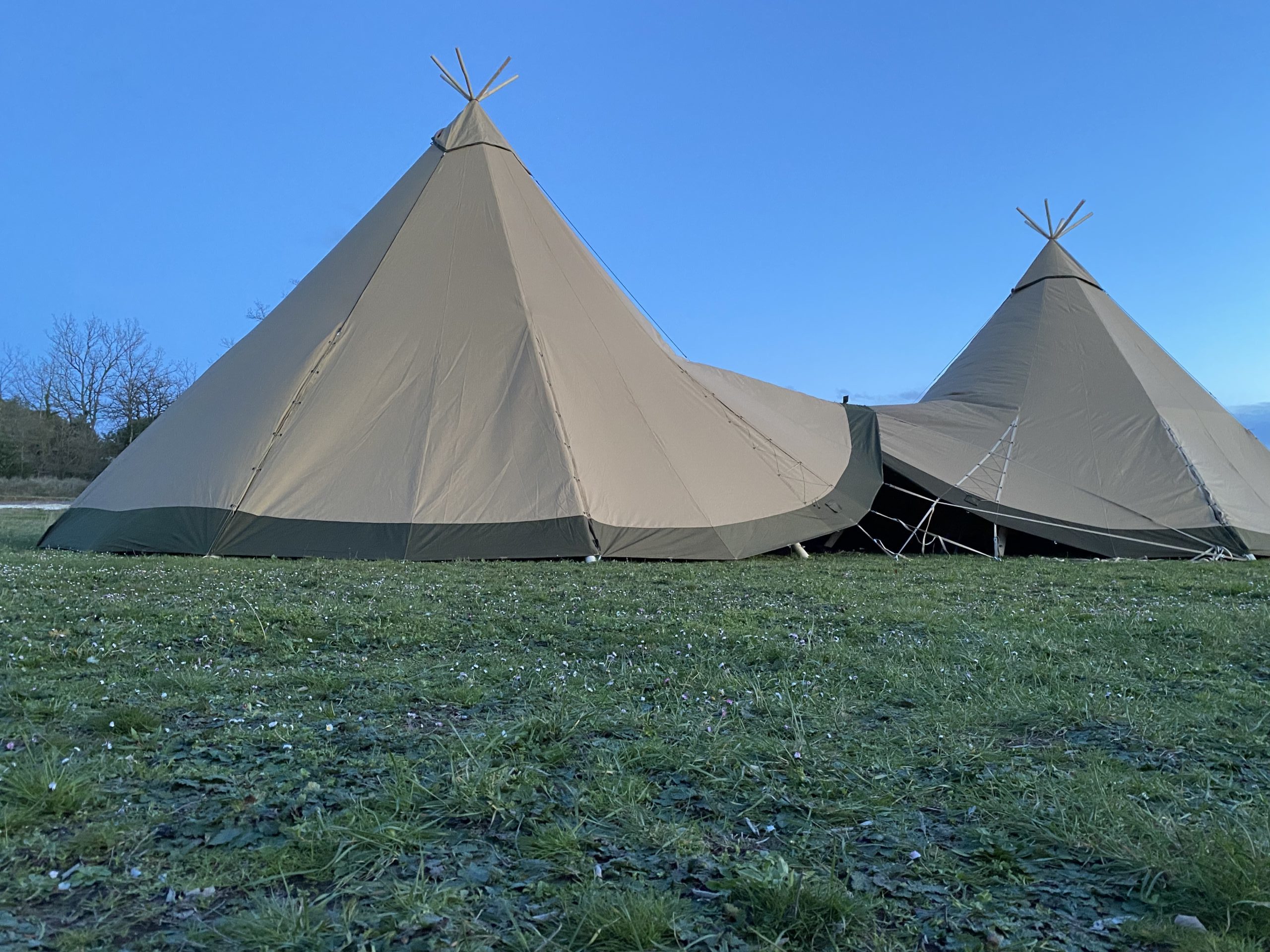
Far from the image of a child’s tipi, these modern tents are now used in the most beautiful locations. These include private estates, clearings, beaches, or stabilized ground. They are also modular. So, several tipis can be connected to form a vast reception area.
2. Tipi Manufacturing: Technical Expertise
Tipi manufacturing for receptions relies on a subtle balance between tradition and engineering. Unlike a simple tent, every element is designed to withstand outdoor life, unpredictable weather, and intensive use.
The first step involves the structure. It’s based on several wooden poles or beams, typically pine or fir. These elements are sometimes made from reinforced battens, then treated against moisture and insects. This ensures a long lifespan.
Next, these poles are connected at their top using robust ropes. This connection point is strategic; it guarantees the tipi’s stability once the canvas is in place. Note that assembly requires perfect coordination to achieve a regular angle around the entire base perimeter.
Then comes the fabric installation. The outer canvas is often made from coated cotton or waterproof technical fibers. Each panel is precisely cut before being assembled by industrial or artisanal sewing. Manufacturers must sew triangular sections several meters long, while carefully finishing the edges to prevent premature wear.
The interior is also well-thought-out: ventilation openings, attachment points for lighting, or even decorative linings can be integrated directly into the structure.
Therefore, manufacturing a reception tipi is far more than just pitching a tent. It’s about designing a solid, elegant, and durable living space, intended to host unique moments.
3. Steps to Assemble an Event Tipi
Assembling a reception tipi requires a methodical approach. Every step is important to ensure a secure, aesthetic setup that is suited for your event.
Step 1: Preparing the Ground and Materials First, choose a stable and clear site. Then, verify that all materials are complete. This includes poles, ropes, canvases, battens if needed, and all the necessary tools. A good site survey is essential. It helps anticipate the required space and diameter.
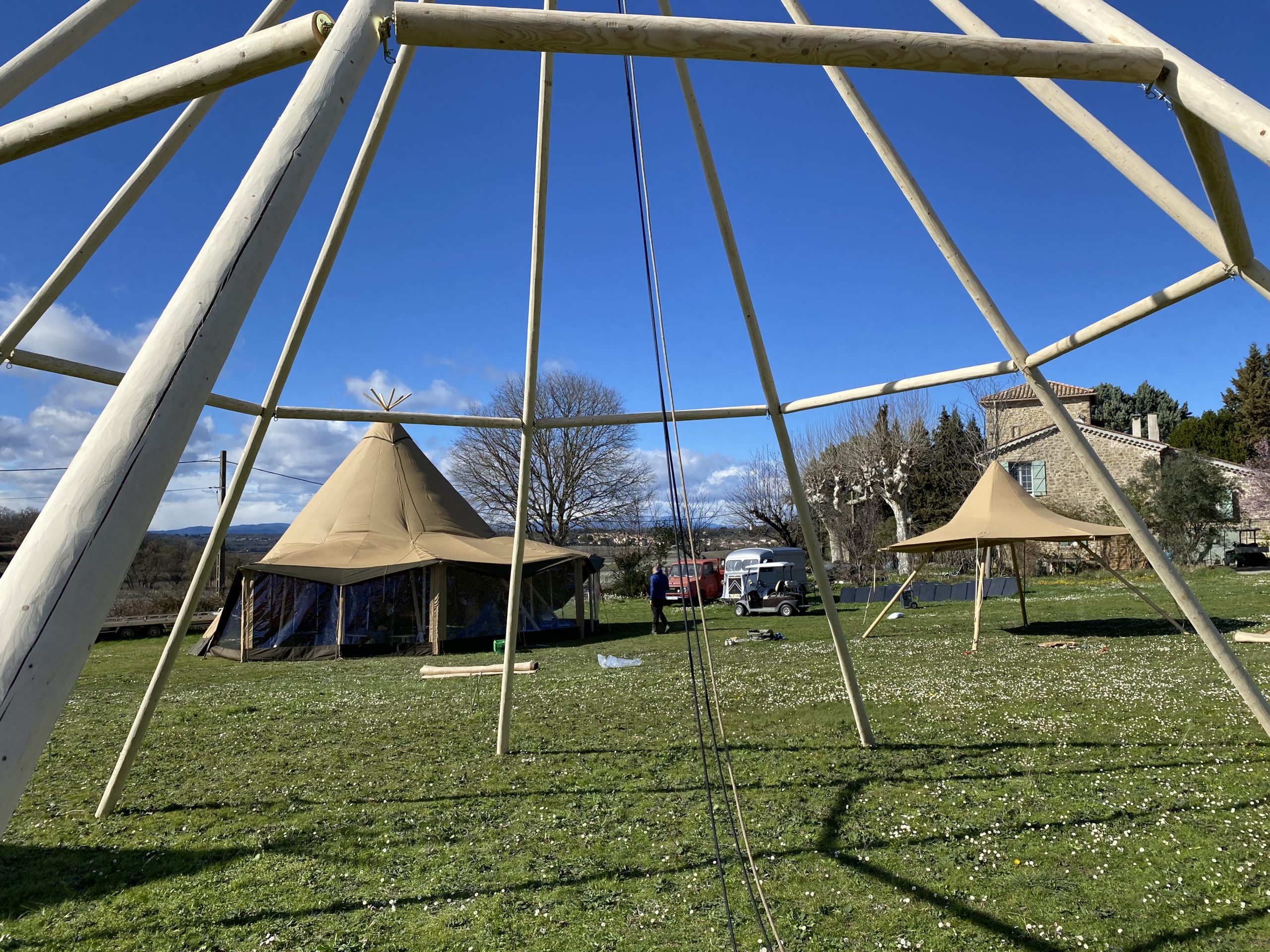
Step 2: Erecting the Poles Next, install the poles or beams according to your chosen configuration. They are attached together at the top with a strong rope. This forms the base of the conical structure. This phase often requires two or three people to stabilize the entire assembly.
Step 3: Positioning the Canvas Unfold the canvases and carefully align them around the framework. It’s important to respect the markers and edges. This ensures even tension. Some panels may be partially pre-sewn. Others will need to be fastened on-site using rings, eyelets, or side ropes.
Step 4: Interior Layout and Decoration Once the tipi is standing, the interior can be personalized with your ideas. Furniture, lighting, and even flooring for more comfort are typically installed. Decorative elements can be hung from the poles to create a unique atmosphere.
Each assembly follows the same general guidelines. However, it can vary depending on the number of tipis connected or the specific terrain. By following these steps, you get a result that is both robust and spectacular.
4. Why Choose a Handcrafted Tipi for Your Receptions?
When you opt for a reception tent, the choice of style and quality makes all the difference. A handcrafted model stands out because of its finish, its premium materials, and its ability to create an extraordinary atmosphere.
The wood used for the poles is often local, selected for both its solidity and visual appeal. Each piece is carefully cut, sanded, and adjusted. This meticulous work gives the entire structure an authentic character, which is very different from a standardized production.
The fabric coverings, often made of technical cotton or waterproof linen, are designed to last. They are generally assembled by hand with reinforced seams. The artisans take the time to sew each section while respecting the overall shape and diameter of the tent.
This type of craftsmanship also emphasizes details. The fastenings are discreet but solid, the ropes are precisely placed, and the edges are carefully finished to ensure a perfect hold against wind or humidity.
By choosing this type of product, you get not only a reliable structure but also a true decorative object. The atmosphere created under this type of cover is incomparable: warm, natural, and elegant.
Finally, these handcrafted tents can often be adjusted to your needs. This includes adding an extension, personalizing the fabric, or choosing accessories. These are all possibilities for adapting the entire setup to your event and your space.
5. Ordering Our Reception Tipis
Buying a tipi to welcome guests is no ordinary decision. Rest assured, we master every detail, from the canvas to the pole assembly.
What’s more, we specialize in designing high-end tents. We use selected wood, often crafted into battens, to offer both solidity and elegance.
The fabric we use—thick, coated, or natural cotton—is designed to resist moisture and temperature variations. Our workshops even hand-reinforce the seams, using expertise inherited from traditional methods.
Our quality charter meticulously checks several elements:
-
The quality of the fabric, especially the stitching
-
The wood treatment (against fungi and insects)
-
The method of ground anchoring (stakes, straps, and pre-drilled holes for fastening)
-
The number of poles delivered, based on the chosen model
We accompany you at every step. This starts from choosing the model and continues all the way to setting it up at your reception site.
During our open house workshops, we offer hands-on initiations and demonstrations. This helps you better understand the assembly process or simply get inspired with some layout ideas.
Katatipis guarantees the lifespan of its materials and provides a responsive customer service team. Reception tipis are a durable investment, and every detail matters.
Conclusion: A Tipi, Much More Than a Simple Tent
The reception tipi has successfully carved out its place in the world of outdoor events. Its iconic look, robustness, and warm atmosphere make it a popular choice for those who want to create a setting that is both elegant and memorable.
Whether you’re interested in a purchase or simply curious about its origin, you now have a clear view of the entire process, from design to finishing touches. From assembling the poles to the care given to the stitching and preparing the ground, every detail matters to deliver a result worthy of your finest receptions.
If you dream of learning more, contact us right away.
One thing is for sure: with a well-designed tipi, every tent becomes a truly special place.